
The Grand Old Duke of York
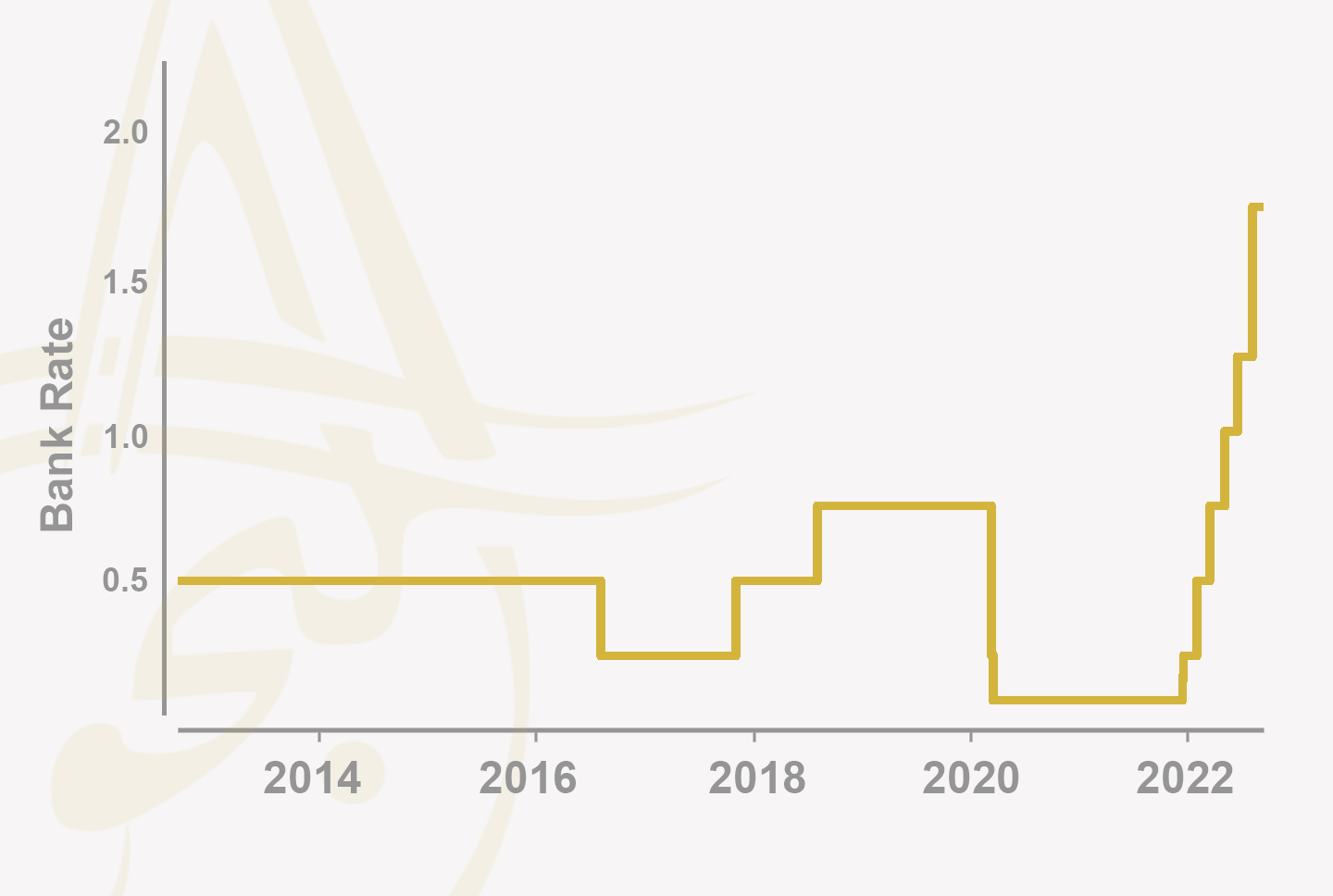
On the 4th of August 2022 the Bank of England hiked interest rates by 50 basis points, its largest single increase since 1995, and projected the UK’s longest recession since the global financial crisis. The first question is, why would the Bank of England – or any other central bank for that matter – increase the cost of borrowing while predicting a contraction of the national economy? The second question revolves around the impact of interest rates on the economy.
When interest rates change, up or down, the average household is unlikely to change financial decisions it has already taken. You have already booked and paid for that holiday, so you are not going to cancel it because the cost of borrowing has changed. You have already bought that car or that washing machine on finance deals, so you are unlikely to reverse these decisions because the cost of borrowing has changed. It is only 3 to 6 months later, when you see your financing costs have gone up or down, that you are likely to change your spending behaviour. Bond markets, and the Bank of England by its own admission, are telling us that interest rates are going to go up this year and then back down next year. So what is the point of putting up interest rates in the short term only to bring them down again?
Inflation in the world’s major economies is running at rates not seen for at least a generation. But central banks cannot do anything about this inflation. It is not their fight. Raising interest rates is not going to make Putin change his mind about invading Ukraine. Raising interest rates is not going to bring down oil prices (which are coming down anyway for reason completely unrelated to interest rates) or the price of natural gas supplied to Europe. Raising interest rates will not solve any supply-side issues. So why are central banks putting up interest rates? Because central bankers must be seen to be doing something about something they can do little about, otherwise they will be roasted on social media by people who know very little about what central bankers do. And so we find ourselves engaging in a futile exercise that raises serious doubts about the independence of central banks.
The Grand Old Duke of York, He Had Ten Thousand Men, He Marched Them Up to the Top of the Hill and He Marched Them Down again. Fasten your seat belts. We are in for an unnecessarily bumpy ride.
The Grand Old Duke of York
On the 4th of August 2022 the Bank of England hiked interest rates by 50 basis points, its largest single increase since 1995, and projected the UK’s longest recession since the global financial crisis. The first question is, why would the Bank of England – or any other central bank for that matter – increase the cost of borrowing while predicting a contraction of the national economy? The second question revolves around the impact of interest rates on the economy.
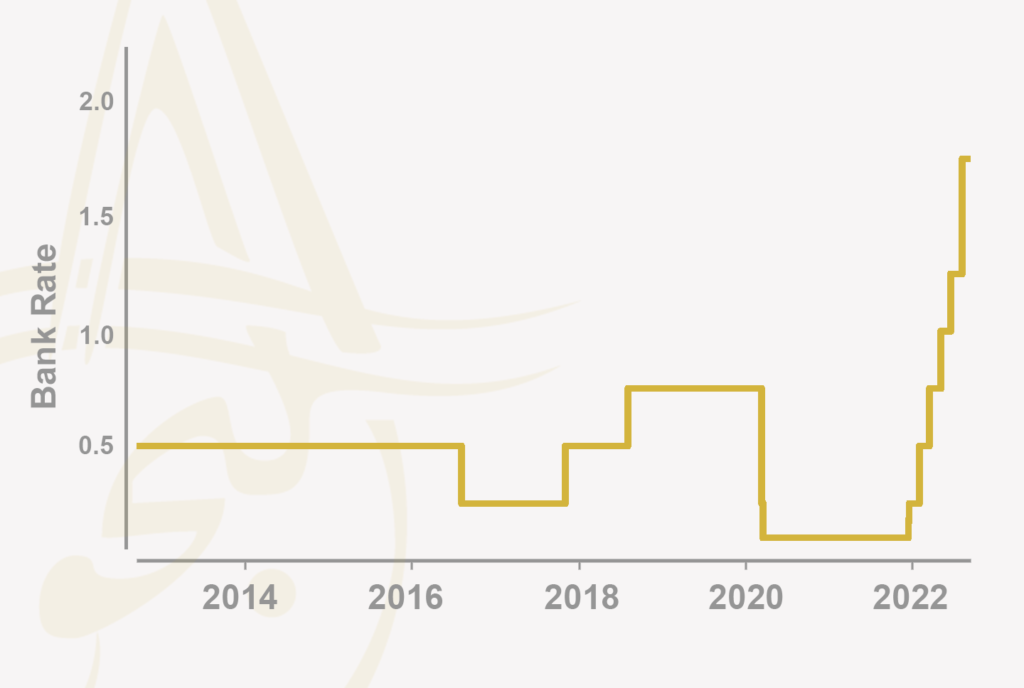
When interest rates change, up or down, the average household is unlikely to change financial decisions it has already taken. You have already booked and paid for that holiday, so you are not going to cancel it because the cost of borrowing has changed. You have already bought that car or that washing machine on finance deals, so you are unlikely to reverse these decisions because the cost of borrowing has changed. It is only 3 to 6 months later, when you see your financing costs have gone up or down, that you are likely to change your spending behaviour. Bond markets, and the Bank of England by its own admission, are telling us that interest rates are going to go up this year and then back down next year. So what is the point of putting up interest rates in the short term only to bring them down again?
Inflation in the world’s major economies is running at rates not seen for at least a generation. But central banks cannot do anything about this inflation. It is not their fight. Raising interest rates is not going to make Putin change his mind about invading Ukraine. Raising interest rates is not going to bring down oil prices (which are coming down anyway for reason completely unrelated to interest rates) or the price of natural gas supplied to Europe. Raising interest rates will not solve any supply-side issues. So why are central banks putting up interest rates? Because central bankers must be seen to be doing something about something they can do little about, otherwise they will be roasted on social media by people who know very little about what central bankers do. And so we find ourselves engaging in a futile exercise that raises serious doubts about the independence of central banks.
The Grand Old Duke of York, He Had Ten Thousand Men, He Marched Them Up to the Top of the Hill and He Marched Them Down again. Fasten your seat belts. We are in for an unnecessarily bumpy ride.
The Grand Old Duke of York
On the 4th of August 2022 the Bank of England hiked interest rates by 50 basis points, its largest single increase since 1995, and projected the UK’s longest recession since the global financial crisis. The first question is, why would the Bank of England – or any other central bank for that matter – increase the cost of borrowing while predicting a contraction of the national economy? The second question revolves around the impact of interest rates on the economy.
When interest rates change, up or down, the average household is unlikely to change financial decisions it has already taken. You have already booked and paid for that holiday, so you are not going to cancel it because the cost of borrowing has changed. You have already bought that car or that washing machine on finance deals, so you are unlikely to reverse these decisions because the cost of borrowing has changed. It is only 3 to 6 months later, when you see your financing costs have gone up or down, that you are likely to change your spending behaviour. Bond markets, and the Bank of England by its own admission, are telling us that interest rates are going to go up this year and then back down next year. So what is the point of putting up interest rates in the short term only to bring them down again?
Inflation in the world’s major economies is running at rates not seen for at least a generation. But central banks cannot do anything about this inflation. It is not their fight. Raising interest rates is not going to make Putin change his mind about invading Ukraine. Raising interest rates is not going to bring down oil prices (which are coming down anyway for reason completely unrelated to interest rates) or the price of natural gas supplied to Europe. Raising interest rates will not solve any supply-side issues. So why are central banks putting up interest rates? Because central bankers must be seen to be doing something about something they can do little about, otherwise they will be roasted on social media by people who know very little about what central bankers do. And so we find ourselves engaging in a futile exercise that raises serious doubts about the independence of central banks.
The Grand Old Duke of York, He Had Ten Thousand Men, He Marched Them Up to the Top of the Hill and He Marched Them Down again. Fasten your seat belts. We are in for an unnecessarily bumpy ride.
Address
FAS Family Office
189 Brompton Road
London
SW3 1NE
enquire@fasfamilyoffice.com
Contact Us
FAS Family Office is a trading name of Financial Advisory Services Limited (FRN: 655277), an Appointed Representative of Sturgeon Ventures LLP (FRN: 452811) who is authorised and regulated by the Financial Conduct Authority.